Description
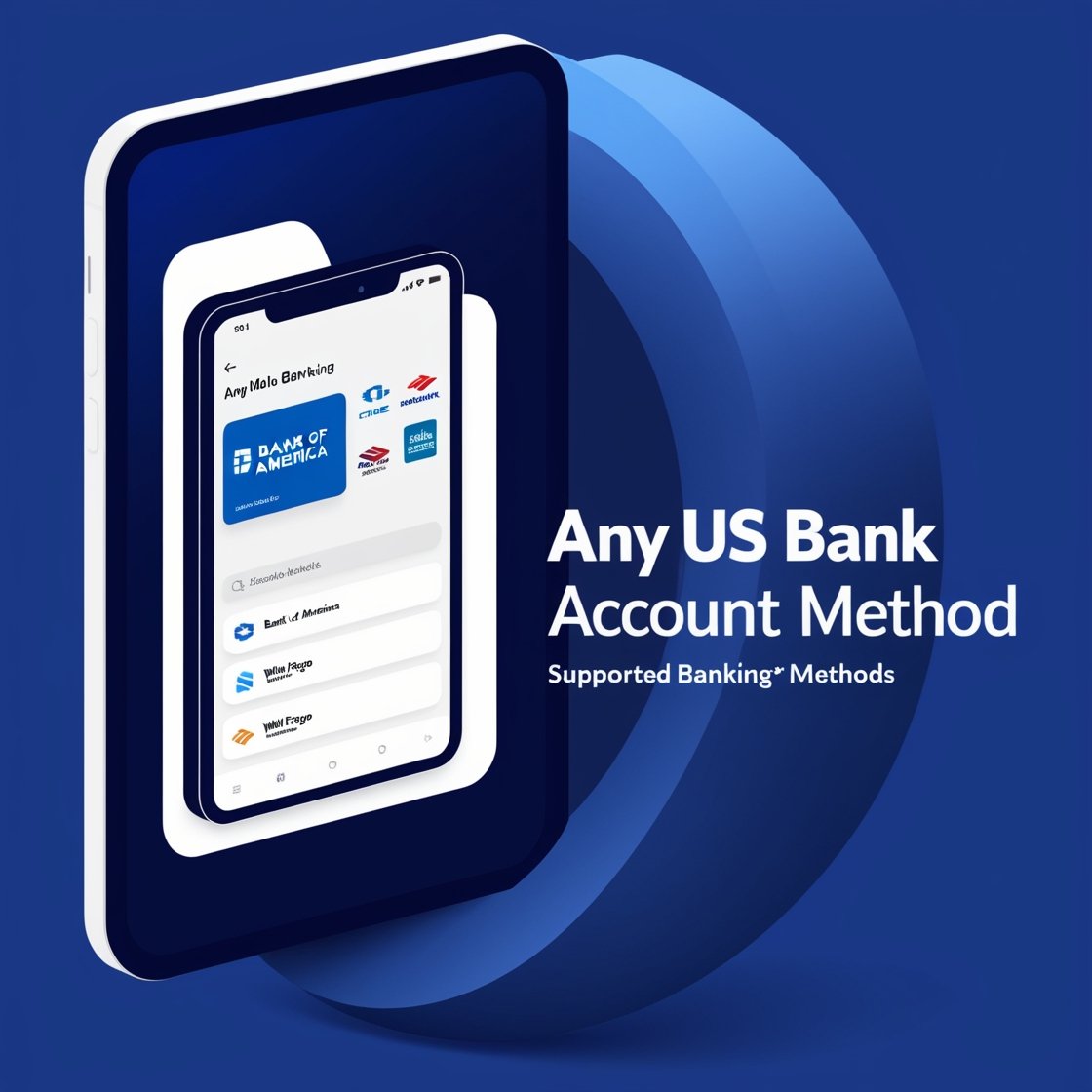
You can conveniently apply for a bank account in the U.S., and enjoy safe savings facilities and other online banking services. If you are a U.S. citizen or not, learn everything today about opening an account in the USA including which documents to present and how its step by step works into your routine! How to Apply for a U.S. Bank Account.
Why Open a U.S. Bank Account?
There are many advantages that come with having a U.S. bank account, particularly if you travel to or have business in the United States often. It makes transfers smoother, often comes with competitive rates and exchange costs on currency transactions,and will even start to establish a financial history if you are a resident or planning to be in the future.
Benefits of a U.S. Bank Account Include:
- Secure Transactions: Protection of funds through FDIC insurance and modern security protocols.
- Access to U.S. Credit System: Important for residents who want to build a U.S. credit history.
- Efficient International Payments: Allows for faster and less expensive transfers for international customers.
Types of Bank Accounts Available
- Checking Account: Ideal for everyday transactions, such as depositing paychecks and making purchases. These accounts usually come with a debit card and check-writing privileges.
- Savings Account: Allows account holders to earn interest on their deposits. Often used for storing money over the long term, it has a limit on the number of monthly withdrawals.
- Certificate of Deposit (CD): Higher interest rates but requires you to leave your money untouched for a specified period.
Requirements for Opening a U.S. Bank Account
There are prerequisites on How to Open a U.S. Bank Account The documentation is different for U.S. citizens, residents, and non-residents with a visa.
Common Documentation for U.S. Residents
- Government-issued ID: Such as a driver’s license or passport.
- Social Security Number (SSN): This is crucial for identity verification and tax purposes.
- Proof of Address: Utility bills or rental agreements are generally accepted.
Common Documentation for Non-Residents
- Passport: Essential for identity verification.
- Visa or Other U.S. Entry Documentation: Shows your legal status in the U.S.
- ITIN (Individual Taxpayer Identification Number): Needed if you do not have an SSN.
- Proof of Foreign Address: Required by some banks.
Note: Not all U.S. banks accept non-residents, so be sure to check bank-specific requirements.
Final Thoughts
A U.S. bank account can help you manage your finances for personal savings or day-to-day transactions — and in many cases making money between international accounts easier! Following the steps mentioned in this guide and making sure you have all your documents together can help fast forward the application process, prevent a freeze on your funds, and also open up many services that U.S. banks provide powered by Temenos vsi sdk better than others!






Reviews
There are no reviews yet